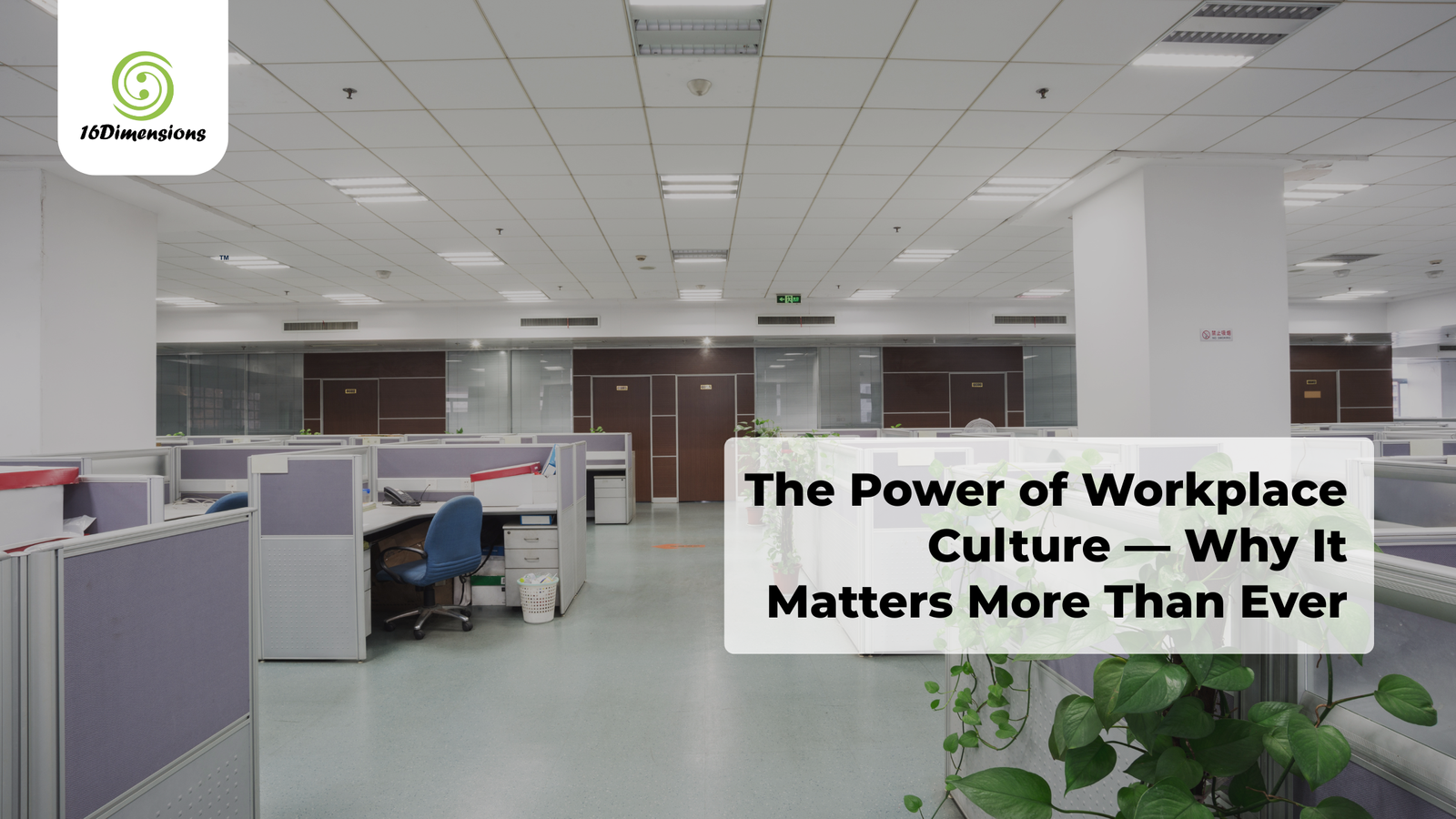
The Power of Workplace Culture — Why It Matters More Than Ever
A strong workplace culture is more than a “feel-good concept.” It is the foundation on which high-performing teams, satisfied employees, and long-lasting organisations are built. In today’s world of rapid change, hybrid work environments, and evolving employee expectations, workplace culture plays a bigger role than ever before.
Leaders often focus on strategy, profitability, and operations—but the truth is simple: culture shapes everything. It influences how people behave, communicate, collaborate, and grow. It determines whether employees stay committed or quietly quit. It affects innovation, productivity, and even customer satisfaction.
So what makes workplace culture so important? Let’s explore.
Culture Defines How People Work Together
The modern workplace demands collaboration. Teams need clarity, respect, empathy, and shared values to function smoothly. Without a strong culture, employees may experience misunderstandings, conflicts, or disengagement.
A positive workplace culture:
Encourages open communication
Supports healthy conflict resolution
Builds trust within teams
Reduces friction and negativity
When people understand the expectations and values of their organisation, they automatically align better with each other.
Culture Impacts Employee Engagement and Retention
Research consistently shows that employees don’t leave jobs—they leave environments that drain them.
A company with a strong, supportive culture experiences higher retention because people feel valued, respected, and heard.
Employees remain engaged when:
They believe in the organisation’s purpose
They see transparent leadership
They work in an environment of fairness and growth
They feel psychologically safe
On the other hand, a toxic culture leads to burnout, absenteeism, and high turnover—which can cost companies significantly.
Culture Shapes Leadership Behaviour
Research consistently shows that employees don’t leave jobs—they leave environments that drain them.
A company with a strong, supportive culture experiences higher retention because people feel valued, respected, and heard.
Employees remain engaged when:
They believe in the organisation’s purpose
They see transparent leadership
They work in an environment of fairness and growth
They feel psychologically safe
On the other hand, a toxic culture leads to burnout, absenteeism, and high turnover—which can cost companies significantly.
Culture Shapes Leadership Behaviour
Leaders set the tone for the organisation. When leaders model positive behaviour—like accountability, respect, ethical decision-making, and empathy—it inspires employees to mirror those behaviours.
Great leaders don’t dictate culture; they demonstrate it.
They make decisions that reflect organisational values. They communicate honestly. They support employees and create opportunities for growth.
A strong culture helps leaders:
Make consistent decisions
Handle crises better
Build trust within their teams
Encourage innovation
Good leadership becomes the backbone of a strong workplace.
Culture Drives Performance and Innovation
A positive culture boosts productivity naturally. People who feel safe and encouraged tend to contribute more ideas, take ownership of their work, and collaborate better.
Companies with strong cultures see:
Higher productivity
Better quality of work
More creative problem-solving
Faster adaptation to change
Innovation thrives in environments where employees feel empowered to speak up, experiment, and take constructive risks.
Culture Strengthens Customer Relationships
Happy employees create happy customers.
When employees feel motivated and respected, they deliver better service. They are patient, solution-oriented, and more committed to creating positive client experiences.
Whether it’s sales, support, or operations—customer satisfaction is deeply tied to the internal culture of the company.
Culture Must Be Designed, Not Assumed
Many organisations assume that culture will naturally grow along with the company. But culture needs to be defined, designed, and nurtured intentionally.
Organisations must invest in:
Etiquette and behaviour training
POSH awareness
Leadership development
Communication workshops
Team bonding sessions
Values-based onboarding
Policies that promote fairness
When culture is actively shaped, it becomes more consistent and sustainable.
How 16 Dimensions Helps Organisations Build Culture
With over a decade of experience, 16 Dimensions helps companies develop strong workplace cultures through structured programs. The training includes:
Corporate etiquette
Communication skills
Soft skills development
POSH training
Team building
Leadership transformation workshops
These sessions don’t just teach skills—they build environments where employees feel confident, respected, and aligned with organisational values.
Final Thoughts
Workplace culture isn’t an extra—it is a necessity. It influences every aspect of business life, from performance and teamwork to leadership and customer excellence.
A strong culture doesn’t happen overnight, but with the right guidance, structure, and intention, any organisation can build a workplace that thrives.