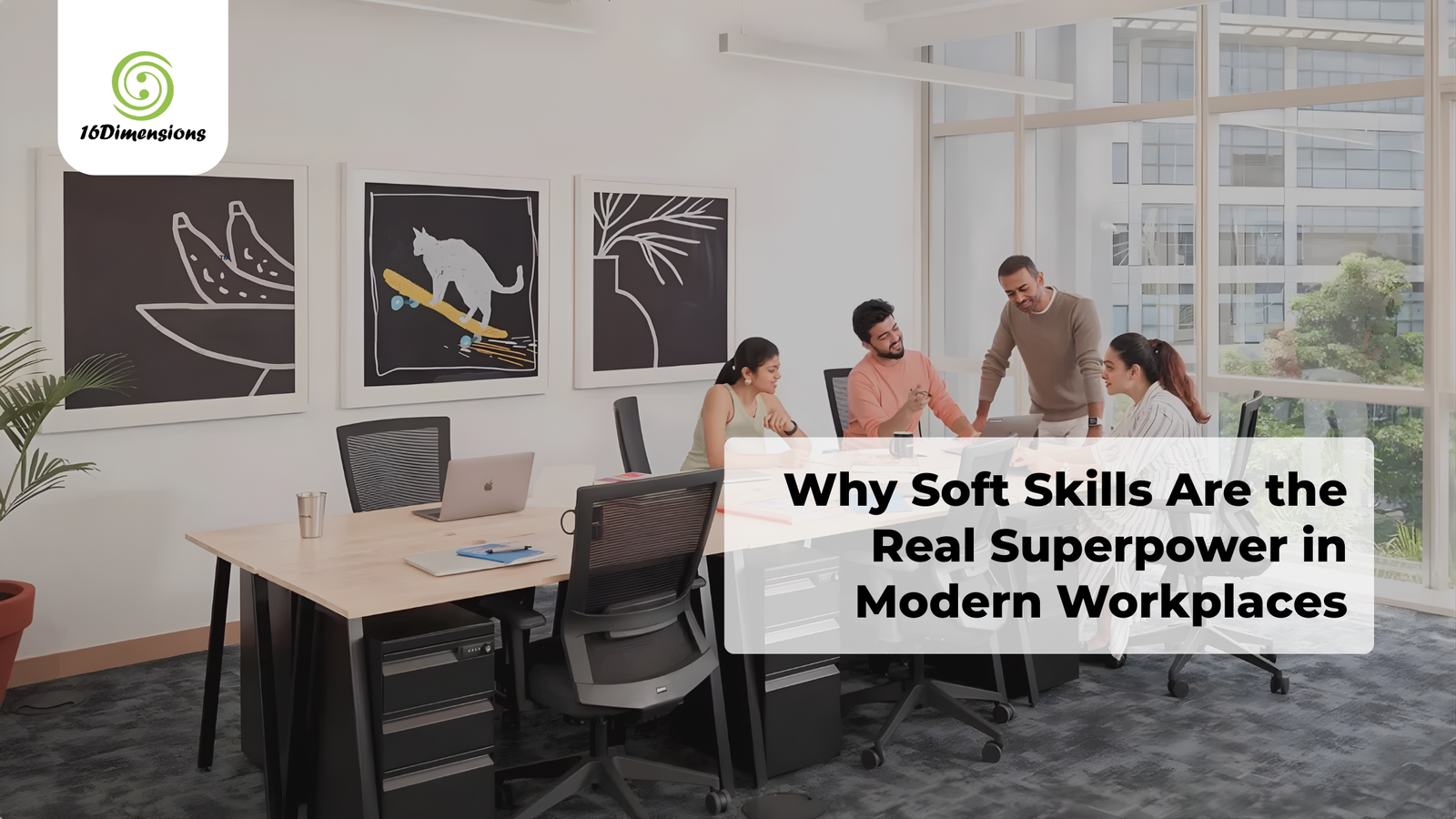
Why Soft Skills Are the Real Superpower in Modern Workplaces
Soft skills have shifted from being “nice to have” to absolutely essential.
In a world where technology, automation, and AI are transforming workplaces, human skills are becoming the real differentiators. Organisations no longer hire for just technical skills—they hire for attitude, behaviour, adaptability, and emotional intelligence.
Soft skills shape how well you interact, solve problems, lead, and adapt. Let’s explore why they matter so much today.
Soft Skills Improve Workplace Relationships
Good relationships are the backbone of a successful workplace.
Skills like empathy, collaboration, and emotional intelligence help professionals build trust and connect with others.
Employees with strong soft skills:
Resolve conflicts better
Communicate clearly
Work well with diverse teams
Show respect and professionalism
This makes the entire work environment healthier and more productive.
Soft Skills Enhance Leadership Potential
Leadership is no longer about authority—it’s about influence.
Whether you manage a team or not, leadership skills help you guide others, think strategically, and take responsibility.
Key soft skills for leadership include:
Confidence
Decision-making
Problem-solving
Listening
Adaptability
Empathy
Professionals who master these skills naturally grow into leadership roles.
Soft Skills Increase Productivity
Employees who manage their time well, stay organised, and communicate effectively are consistently more productive.
Strong soft skills help professionals:
Prioritize tasks
Avoid miscommunication
Handle pressure
Reduce errors
Meet deadlines efficiently
Productivity is not just about hard work—it’s about working smarter.
Soft Skills Improve Customer Experience
Customers remember how you made them feel.
Soft skills like patience, active listening, and clear communication help professionals deliver better customer experiences.
Employees with strong interpersonal skills:
Handle complaints gracefully
Understand customer needs
Build long-term relationships
Increase customer satisfaction
This translates directly to improved business performance.
Soft Skills Increase Employability
Companies increasingly prioritise soft skills during hiring.
A strong resume may open the door, but your behaviour, communication, and presence determine whether you get the job.
Soft skills highly valued by employers include:
Communication
Teamwork
Adaptability
Creativity
Problem-solving
Confidence
Having these skills gives professionals a competitive edge.
Soft Skills Support Career Growth
Technical skills may help you get hired, but soft skills help you rise.
When you communicate well, stay calm under pressure, collaborate effectively, and manage conflicts—people trust you more. Leaders notice your maturity and professionalism, opening doors for promotions and bigger responsibilities.
Soft Skills Make You Future-Ready
The future of work will involve technology and people working hand-in-hand.
As automation handles repetitive tasks, human-centric skills will become more valuable.
Skills like:
Creativity
Emotional intelligence
Leadership
Critical thinking
Initiative
give professionals a strong advantage in future workplaces.
How 16 Dimensions Helps Professionals Build Soft Skills
With years of experience in corporate training, 16 Dimensions offers soft skills programs that focus on:
Personality development
Work-life balance
Team building
Confidence building
Leadership development
Communication mastery
The training combines practical exercises, real-life examples, and personalised coaching that create real behavioural change.
Final Thoughts
Soft skills are no longer optional—they are essential.
They help professionals grow, help organisations thrive, and help leaders inspire. Mastering them is the key to long-term success in a rapidly evolving world.