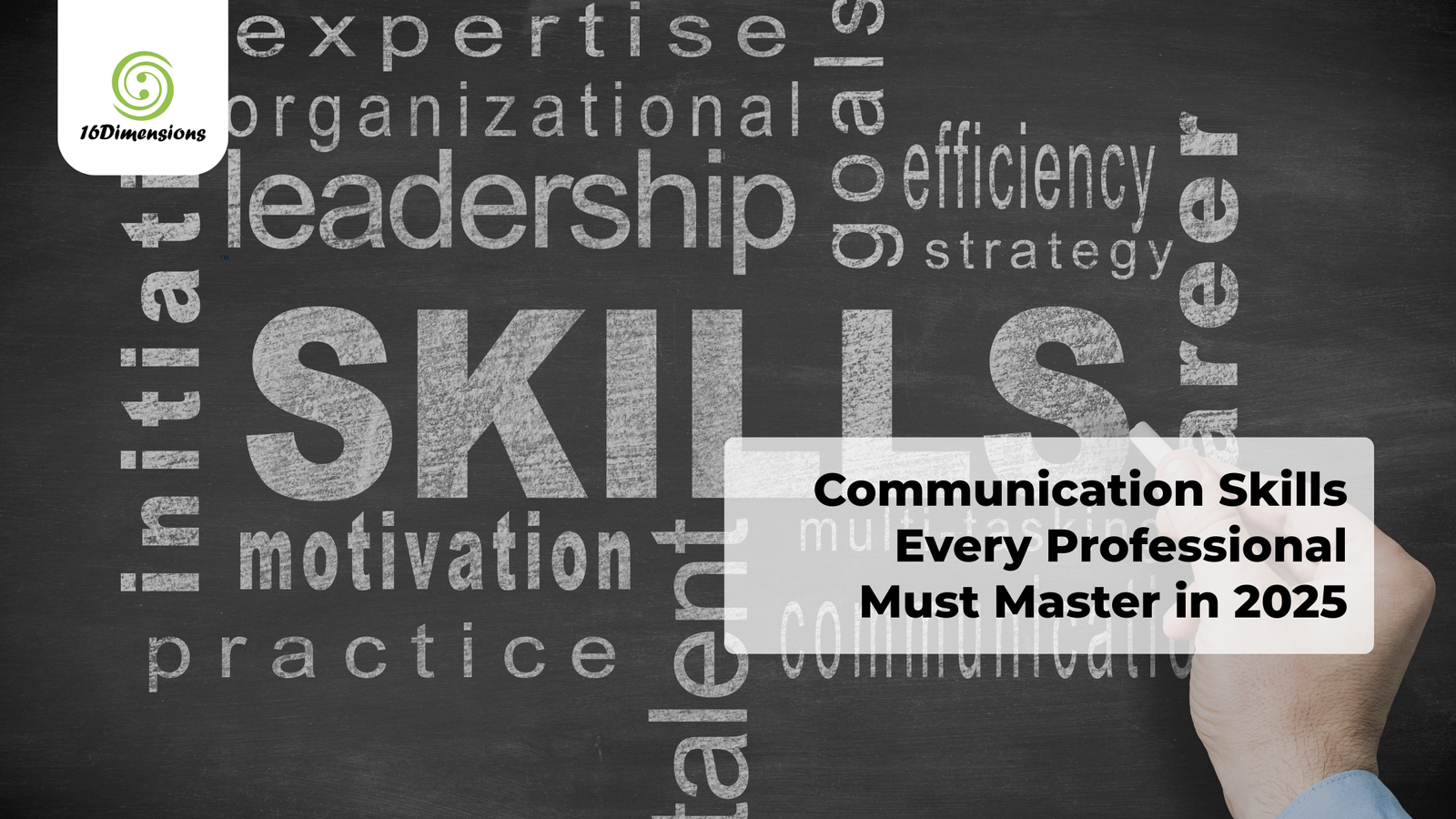
Communication Skills Every Professional Must Master in 2025
In today’s dynamic corporate environment, communication is more than just speaking—it is an essential skill that determines how effectively you connect, lead, and grow. Whether you’re a fresher entering the workforce or a senior manager handling teams, mastering communication skills is critical for professional success.
As technology evolves and workplaces become more hybrid, the demand for clear, confident communication continues to rise. Here are the top communication skills every professional needs in 2025 and beyond.
Clear and Concise Verbal Communication
Clarity is the foundation of effective communication. Whether you’re presenting in a meeting or discussing a task with a colleague, your message must be:
Simple
Direct
Structured
Purpose-driven
Many professionals speak a lot but say very little. In a busy workplace, clarity eliminates confusion, reduces conflicts, and improves the speed of execution.
Active Listening
Listening is often more important than speaking. Active listening allows you to understand the intent behind the words, not just the words themselves.
Active listeners:
Pay attention without interrupting
Ask meaningful questions
Acknowledge the speaker’s perspective
Respond thoughtfully
This skill builds trust, enhances teamwork, and strengthens client relationships.
Non-Verbal Communication and Body Language
Your body language speaks louder than your words.
Professionals must master:
Eye contact
Posture
Hand gestures
Facial expressions
Tone of voice
Good body language makes you appear confident, trustworthy, and approachable.
Professional Email & Written Communication
Despite instant messaging and video calls, email remains one of the most important corporate tools.
A well-written email should be:
Clear
Polite
Structured
Grammatically correct
Professionals must also learn report writing, proposal drafting, and documentation to meet corporate expectations.
Presentation Skills
Whether presenting to clients or internal teams, your ability to structure and deliver information confidently is a valuable asset.
Effective presentations include:
A strong opening
Clear flow
Data-backed insights
Visuals that complement the message
Confident delivery
Good presenters influence decisions and build their personal brand within the organisation.
Conflict Management Through Communication
Workplace disagreements are normal, but how you manage them defines your professionalism.
To handle conflicts effectively:
Stay calm
Listen actively
Understand the other viewpoint
Avoid personal comments
Focus on solutions
Communication helps transform conflicts into opportunities for collaboration.
Empathy and Emotional Intelligence
Empathy makes communication human.
Professionals must understand emotions—both their own and others’.
Emotionally intelligent communicators:
Build better relationships
Handle criticism gracefully
Manage stress
Connect deeply with teams
Lead with compassion
Digital Communication Skills
As remote and hybrid work models grow, professionals must adapt to digital communication:
Virtual meetings
Video calls
Chat platforms
Online etiquette
Being punctual, present, and respectful during virtual communication is essential for maintaining professionalism.
Assertive Communication
Assertiveness is not aggression—it is confidence with respect.
Assertive communicators:
Express opinions clearly
Set boundaries
Say “no” politely
Request support without hesitation
This skill prevents burnout and improves workplace relationships.
Assertive How 16 Dimensions Helps You Master Communication
Kavitha’s communication programs include:
Body language training
Presentation workshops
Public speaking coaching
Corporate etiquette
Active listening sessions
Email and written communication modules
The training helps professionals speak with clarity, confidence, and impact—skills essential for long-term growth.
Final Thoughts
Communication is one of the most powerful professional assets.
It shapes careers, builds leaders, and strengthens workplace relationships. Mastering these skills will help professionals stay ahead and thrive in 2025 and beyond.